I think I already posted about Era 1, but I just finished Era 2 and it was so heartbreaking at the end. This is not the post for spoilers. But there are so many good quotes in there.
“You’re meant to be helping people.”

Ten pounds of personality in a five-pound bag
I think I already posted about Era 1, but I just finished Era 2 and it was so heartbreaking at the end. This is not the post for spoilers. But there are so many good quotes in there.
“You’re meant to be helping people.”
I think one of the most important life skills I have cultivated is the ability to just take people at their word. To believe what they say.
Doing this requires some degree of “if you get hurt, I’m okay with that.” You have to turn down the empathy dial here. If a person lies to you (whether on purpose lying or not) about being okay when they’re really not okay? You have to be comfortable with the fact that any hurt they experience from you taking them at their word is their own fault.
But they will be hurt nonetheless. Even though it’s not your fault. And you have to deal with that.
Because you know what’s worse, in the end?
Not respecting your friends enough to believe them when they tell you things.
Being so arrogant that you think you know their inner mind better than they themselves do.
And the pretzel logic we all get into when we try to anticipate and guess what everyone actually means, rather than just taking them at their word, hurts everyone involved.
So just…believe people when they tell you things. If they lie, return the awkwardness to sender. You did nothing wrong by believing them.
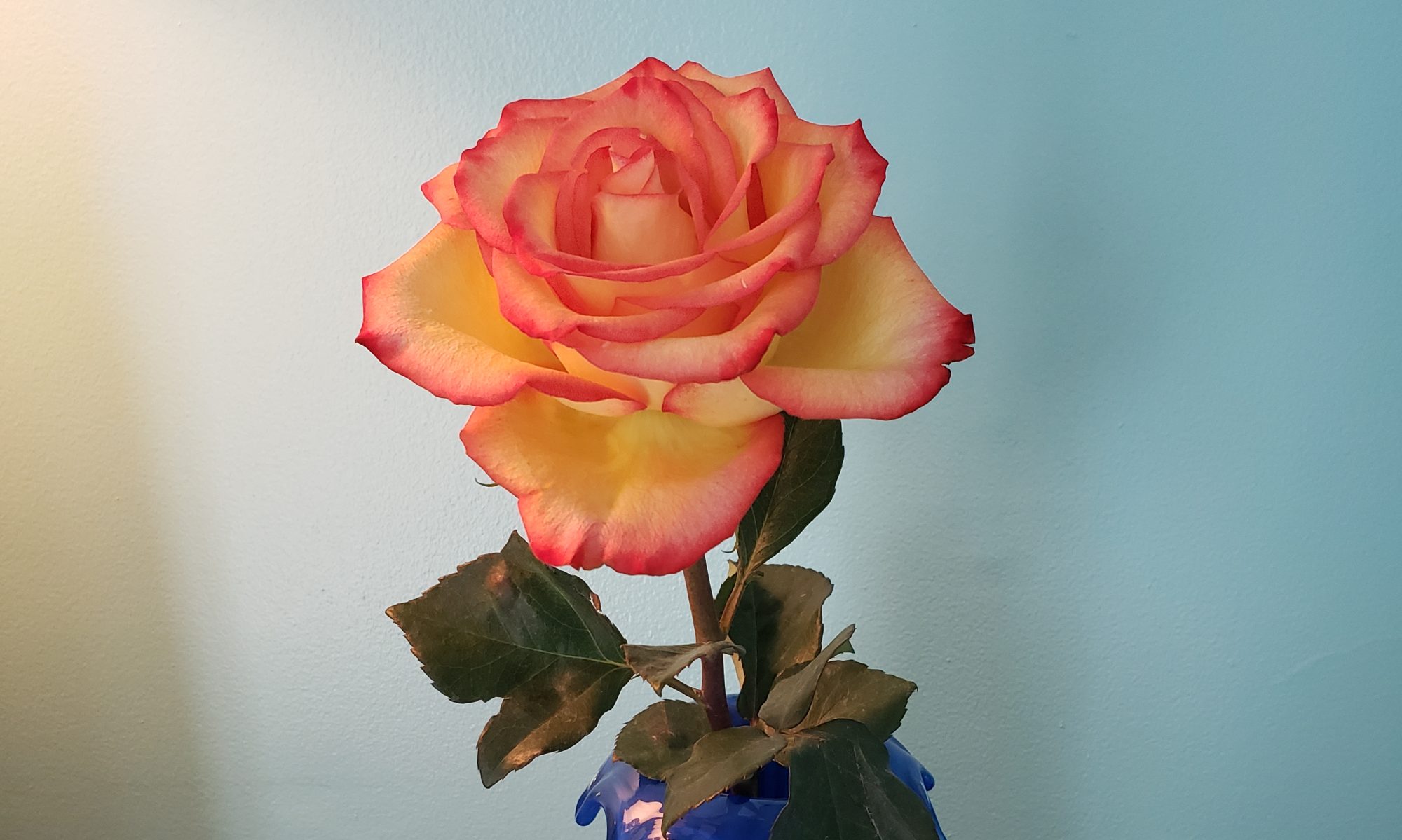
Looks like I’m not the only one who finds Skeletor inspirational!
https://bsky.app/profile/skeletorinspires.bsky.social

I approve.
This came up in discussion today and I wanted to note it here.
https://en.wikipedia.org/wiki/Thought-terminating_clich%C3%A9
I think this may be what’s going on with the earlier Contrapoints issue, but I’m not positive.
https://www.instagram.com/p/DaBpswdkZhg/
This Instagram post about disability (by Elora and the One Room Schoolhouse) was really thought provoking. The gist is that more people with disabilities are surviving now, and we have more assistive tech (the Bicycle, in this metaphor), so disabled people are more visible than ever; but it’s important to not assume that the tech means they have no problems at all.
My take is that this is related to the medical/social model, a little bit. There’s this idea in the Social Model that “if society just adjusted enough, disability wouldn’t be disabling.” But that is simply not true. Someone with chronic pain would still be in pain, no matter how much paid sick leave they get.
(This is only the most extreme end of the Social Model, thankfully. It’s still a useful model for thinking about things; it’s just not sufficient by itself. Disability is both social and medical.)
Anyway. Just wanted to link to that Bicycle Effect post.
I haven’t read Communion, by JD Vance, and I probably won’t.
I did read Hillbilly Elegy, and my primary impression was that he had never heard the word “classism” or had an intelligent discussion with anybody who understood the concept of intersectionality. (If you’re local to me and want to borrow my copy, which I marked up with commentary, let me know.)
Anyway, in my place, I offer Elizabeth Spiers’s review.
Today I saw the “Revolutionary Girl Utena” movie for the first time, having never seen the show. I told my friends that I expected this *kind* of disorientation and confusion, but not this *degree* of it.
Fortunately, having seen some anime, I went into the movie not expecting to understand it.
I’m not, like, an instant super-fan? But apparently the show was based on the book Demian, by Herman Hesse, which is interesting. (It’s been 27 years since I read that and it changed my life. Maybe I should reread it.)
We watched a couple episodes of the show afterwards. I remain bemused.
It did occur to me, in among all this, that anime may have influenced the American queer aesthetic idea of “being nonbinary means you owe the world skinny androgyny.” (Because I couldn’t tell the gender of half those characters, and that’s REALLY INTERESTING.)
I also wondered how much Tamsyn Muir was influenced by the aesthetics of the movie/show in her Gideon the Ninth books, because the cavalier aesthetic is STRONG there. Plus the sword, the chest wound, everything. It’s SO. WEIRD.
This isn’t how it happens
Please read this essay by my dear friend B, who as usual puts into words things I dearly wish I could enunciate.
I am blatantly stealing this from a friend on the Internet.
This is maybe a hot take (or perhaps a deep dive? or philosophizing a little?) but I think sometimes, people use the word “cool” as shorthand for “knows and embraces fully who they are,” which I think is mostly true for all of us here, even as we continue down the endless journey of knowing ourselves. And that, for sure, can be intimidating for peeps who are still learning to accept themselves (flaws and all), etc.
This one’s gonna be rough; reader discretion advised
Continue reading “Memento mori”